Buying a bigger home for your growing household — or maybe a new chapter in…
Conventional Mortgages: How Faith-Aligned Families Can Maximize Opportunities
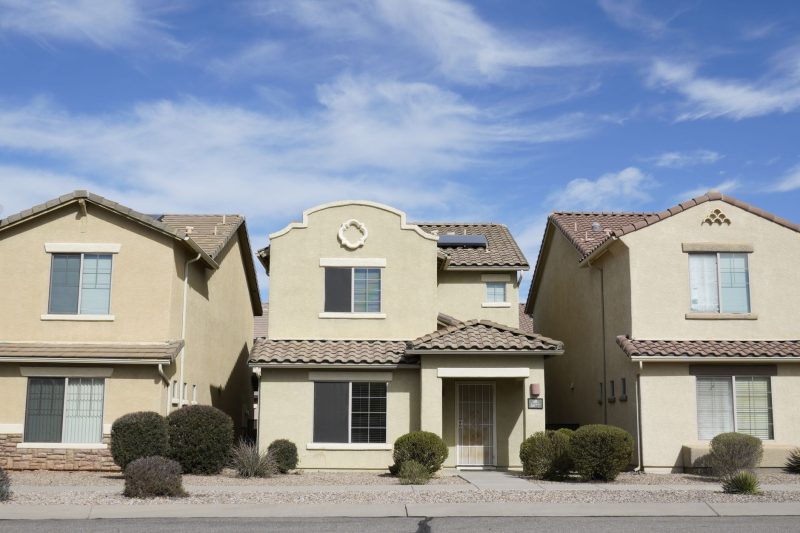
Thinking about buying a home in Las Vegas—and trying to align the financing process with your values—can lead to a lot of questions and a fair amount of hesitation. The short answer is, a conventional mortgage is a home loan not backed by a government agency (like FHA or VA); it’s instead insured by private lenders and follows established rules set by Fannie Mae and Freddie Mac. In this article, I’ll walk you through what makes conventional loans unique, how you can approach them thoughtfully, and practical steps to feel equipped and confident—especially if aligning your financial choices with your family’s beliefs is important to you.
Key Takeaways
- Purpose: Conventional mortgages help you purchase (or refinance) a primary, vacation, or investment home with flexible options for well-qualified borrowers.
- Requirements: Typically stronger credit scores, stable income, and a documented down payment—flexibility is greater for borrowers with strong financial profiles.
- Down Payment: As low as 3% for first-time buyers, but putting more down can help avoid mortgage insurance and reduce costs.
- Best For: Borrowers who want competitive rates, flexibility in property type, and the ability to tailor loan terms—especially those who value transparency and control.
Quick Answers: Conventional Loan Essentials
- What’s the difference between conventional loans and government-backed loans? Conventional loans are insured by private lenders and follow stricter credit standards, while FHA, VA, and USDA loans are insured by federal agencies with varying levels of flexibility for lower-down-payment or special circumstances.
- Do conventional loans have PMI? Yes, if your down payment is less than 20%, private mortgage insurance (PMI) is required—though it can be removed once you reach 20% equity.
- Can self-employed borrowers qualify? Absolutely, as long as income is well-documented—sometimes with additional paperwork or tax returns.
- Are these loans available for second homes or rentals? Yes, but guidelines are a bit different on down payments and qualifying for investment properties.
What Sets Conventional Mortgages Apart?
At Andrew Finney (NMLS# 2595842), we approach these loans for what they actually are: tools for stability, flexibility, and—done right—peace of mind. Conventional loans are the backbone of the real estate market across Las Vegas and the surrounding Valley, precisely because they adapt to so many different situations. That means more choices—loan term, property type, flexibility on how you pay costs, and options to remove things like mortgage insurance when you build up enough equity.
Here’s the thing: there’s no hype here. The truth is more practical than the headlines suggest. There’s a reason so many faith-aligned families and value-driven buyers end up choosing conventional—it’s about transparency, long-term stability, and avoiding surprises.
Step-by-Step: Your Conventional Mortgage Journey
1. Start with Clear Goals
Before you fill out paperwork or look at homes, take a step back and clarify what matters most for you—monthly budget, future plans, and any areas where your faith or values guide your financial decisions. Clarity is kindness, especially when the numbers and timelines start to blur together.
2. Pre-Approval: Get the Facts Upfront
This isn’t a sales pitch—think of it as taking a snapshot of your financial situation so you know exactly what you qualify for. With conventional loans, underwriters look closely at your credit, income, and debts. The process is straightforward but thorough, and self-employed families sometimes bring a little extra paperwork (think tax returns and current profit/loss statements). The good news: a strong financial profile gives you negotiation power when you make offers.
3. Find Your Property and Make an Offer
Whether it’s Summerlin, Henderson, a quieter area near Boulder City, or something closer to Nellis AFB, the property you choose just has to meet standard lending guidelines—no extra hoops for faith-aligned buyers, just universal criteria around safety and value. If you’re eyeing a second home or investment opportunity, let’s map it out in advance, since down payment requirements tick up a bit.
4. Appraisal and Underwriting
The lender will order an appraisal to make sure the property’s value matches the price, then the underwriter steps in to double-check your paperwork. You’ll see estimates for closing costs, prepaid taxes, insurance, and if you’re below 20% down, the cost of PMI. This is where some worry can creep in. I’ll lay out every number and every fee, so there’s no room for unpleasant surprises.
5. Close—and Move In With Peace of Mind
You sign the papers, get your keys, and settle into your home—knowing you followed a process that respected your values and needs. If anything after closing feels uncertain, or you want to revisit your mortgage later, the support doesn’t stop here. Consider me your lifelong strategic mortgage partner—helping you borrow the least expensive money possible, every step of the way.
Aligning Your Mortgage With Your Values
For faith-aligned families, a home purchase often means more than finances—it’s about stewardship, intention, and creating a place where your values can thrive. That can mean choosing a loan that lets you pay down principal faster (shorter term, extra payments), avoiding adjustable-rate options if they add too much risk, or just seeking confidence that no fine print will trip you up later.
If transparency, fairness, and stability are priorities, conventional loans offer some natural advantages. There are no surprise program fees, and you have the opportunity to remove mortgage insurance once you’ve built up equity. And if your convictions lead you to avoid unnecessary debt, we can explore strategies for paying your mortgage down ahead of schedule, or adjusting your term for lower overall interest.
Comparing Conventional to Other Types of Loans
| Feature | Conventional | FHA | VA |
|---|---|---|---|
| Backed By | Private lenders, Fannie Mae/Freddie Mac guidelines | Federal Housing Administration | Department of Veterans Affairs |
| Down Payment | As low as 3%, varies by scenario | Starts at 3.5% | 0% for eligible borrowers |
| Mortgage Insurance | Required if <20% down, removable at 20% equity | Required upfront & monthly (typically for life of loan) | No monthly PMI; one-time funding fee may apply |
| Credit Score Flexibility | Best with higher scores (usually 620+), but flexible | More lenient on lower scores | Very flexible; only for eligible service members/veterans |
| Eligible Properties | Primary, vacation, investment | Primary only | Primary only |
There’s no “best” program in a vacuum (despite what some headlines suggest), just what fits your situation and your long-term intentions.
Common Scenarios: Where Faith-Aligned Families Excel
- Budget Conscious: If you want to avoid surprises, conventional loans give you predictable payment structures—especially with a fixed rate term. You’ll always know what’s due.
- Looking to Invest: Considering a rental or vacation property? This is where conventional shines—government-backed programs typically limit you to primary homes.
- Long-Term Stewardship: Building equity faster, eliminating PMI over time, and options to pay ahead fit with a stewardship approach to lending.
- Self-Employed or Non-Traditional Income: As long as your financial story is well-documented, lenders work through the details patiently. I see many self-employed borrowers find conventional fits as their financials improve.
Navigating Rates, PMI, and Closing Costs
Rates for conventional loans depend on a number of factors: your credit score, down payment, property type, and the overall economy. Current market rates might rise and fall, but one thing doesn’t change—lenders will show you side-by-side options. I encourage you to ask every question. Knowledge → understanding → confidence → peace of mind.
Private mortgage insurance (PMI) is often misunderstood. On a conventional loan, PMI is simply a cost that lets you buy sooner with less than 20% down, and it can be removed entirely once you reach 20-22% equity. It’s not forever; think of it as a stair-step to full homeownership.
Closing costs vary by lender and complexity, but typically run a few thousand dollars and include lender fees, appraisal, title insurance, and prepaid taxes/insurance. You’ll see line-by-line estimates early, so no drama at the closing table.
Frequently Asked Questions
Can I make extra payments on my conventional loan without penalty?
Most conventional loans allow you to make additional payments toward principal with no penalty. This can help you pay your loan off faster and reduce total interest, which often aligns well with families looking to minimize debt over time.
What happens if my down payment is less than 20%?
If your down payment is below 20%, you'll have private mortgage insurance (PMI) as part of your monthly payment. PMI can be removed once your equity reaches 20%, either by market appreciation or making extra principal payments.
How do I qualify as a self-employed borrower?
Self-employed borrowers typically provide two years of tax returns and supporting financial documents. Lenders look for consistency and sustainability in your income, but flexibility exists if your paperwork tells a clear, logical story.
Are faith-based lending programs available?
While there aren't conventional loan programs explicitly tied to faith-based principles, you can choose conventional terms and strategies that support financial stewardship, transparency, and long-term stability—all values many faith-aligned families hold dear.
Can I buy an investment property with a conventional loan?
Yes. Conventional loans are the main path for purchasing investment properties or second homes, though they require larger down payments and stricter income verification than primary residences.

Related Posts