
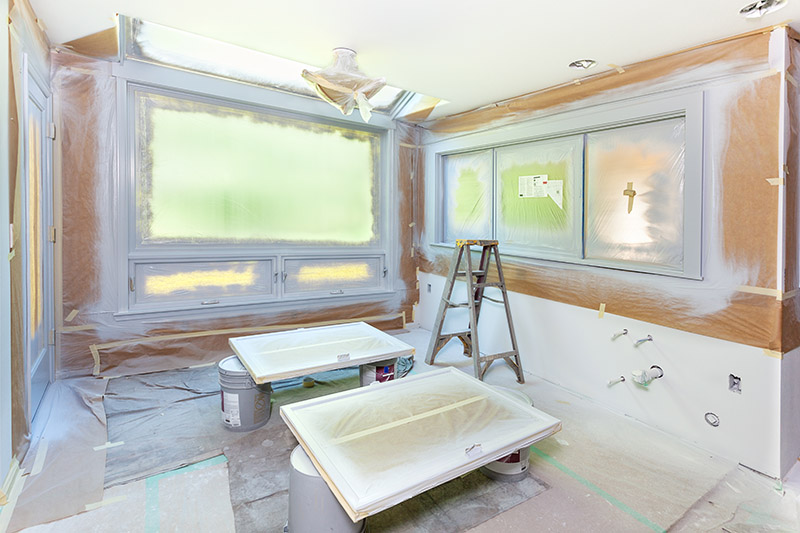
A rehab loan is a special type of mortgage that lets you buy and renovate a home with a single loan. If you’re searching in Las Vegas Metro, NV or Greater Denver, CO, I’m Andrew Finney (NMLS #2595842), and I help borrowers use rehab loans to turn fixer-uppers into dream homes, all while keeping the process as clear and straightforward as possible. Whether you’re a veteran, a move-up buyer, or a faith-aligned family, a rehab loan could be the key to unlocking value in properties that need a little (or a lot) of TLC.
Key Takeaways
- One Loan, Two Purposes: Rehab loans combine your home purchase and renovation costs into a single mortgage.
- Flexible Property Choices: These loans open up opportunities to buy homes that need repairs, often at a lower price point.
- Local Expertise Matters: Navigating rehab loans in Las Vegas Metro, NV & Greater Denver, CO requires a lender who understands local contractors and market values.
- Multiple Program Options: From FHA 203(k) to conventional renovation loans, you have choices based on your needs and eligibility.
- Step-by-Step Guidance: I’ll walk you through each stage so you’re equipped to decide with clarity and confidence.
- Community Connections: Partnerships with organizations like Hope Church Las Vegas and The Lovewell Center help support your journey before, during, and after the loan process.
Rehab Loan Options in Las Vegas Metro, NV & Greater Denver, CO: Quick Answers
- What is a rehab loan? It’s a mortgage that covers both the purchase price of a home and the funds needed for renovations or repairs, all in one package.
- Who can use a rehab loan? Eligible buyers include veterans, move-up buyers, and families looking to invest in homes needing work, provided you meet credit and income requirements.
- What types of rehab loans are available? The most common are FHA 203(k), conventional renovation loans (like Fannie Mae HomeStyle), and some non-QM rehab programs for unique situations.
- How do contractors get paid? Funds for renovation are held in escrow and released as work is completed and inspected, ensuring accountability.
- Can I use a rehab loan for investment properties? Some rehab programs allow this, but most are designed for primary residences—ask about fix & flip loans or investment property loans if that’s your goal.
- How long does the process take? Expect a longer timeline than a standard purchase—often 45-60 days from application to closing, depending on the scope of renovations.
How the Rehab Loan Process Works in Las Vegas Metro, NV & Greater Denver, CO
- Initial Consultation and Pre-Qualification: We’ll start with a conversation to understand your goals, review your finances, and determine which rehab loan program fits your needs. This is where clarity is kindness—I’ll lay out what’s possible in plain English so you can move forward with peace of mind.
- Property Search and Offer: You’ll look for homes that need repairs or updates. Once you find the right property, we’ll structure your offer to include renovation financing, making sure the seller and agents understand the process.
- Contractor Bids and Scope of Work: You’ll work with licensed contractors to get detailed bids for the renovations. The lender will need a clear scope of work, including costs and timelines, to approve the loan amount.
- Loan Application and Appraisal: I’ll help you submit the full loan application, including contractor bids. An appraiser will estimate the home’s value after renovations (the “after-repair value”), which determines your maximum loan amount.
- Underwriting and Approval: The lender reviews your application, financials, and renovation plans. If everything checks out, you’ll receive a conditional approval and a clear list of next steps.
- Closing and Fund Disbursement: At closing, you’ll sign the final documents. The seller gets paid for the property, and renovation funds go into a special escrow account, released in draws as work is completed and inspected.
- Renovation and Final Inspection: Contractors complete the work, and the lender inspects each phase. Once renovations are done, a final inspection ensures everything meets the agreed scope—then you settle in and enjoy your upgraded home.
Is a Rehab Loan Right for You?
Rehab loans are ideal for buyers who see potential where others see problems. If you’re ready to invest sweat equity into a home, want to customize your space, or simply can’t find move-in-ready properties in your price range, a rehab loan could be your best path forward. Veterans and active-duty military families often use these loans to maximize VA benefits or pair them with other programs. Faith-aligned families and repeat buyers who want to stay rooted in their community—perhaps near Hope Church Las Vegas, The Lovewell Center, or The HUB Las Vegas—find rehab loans open doors to homes they can truly make their own.
However, a rehab loan isn’t for everyone. If you’re uncomfortable with construction, need to move in quickly, or don’t have the time to manage contractors and inspections, you may want to consider alternatives like a standard FHA loan or a fixed rate mortgage. In our experience, buyers who prefer a turnkey experience or have very tight timelines are often better served by traditional purchase loans or even a bridge home loan if they’re moving up.
Understanding Costs, Fees, and What to Expect with Rehab Loans
Rehab loans involve unique costs and timelines compared to standard mortgages. You’ll need to budget for both the purchase and renovation, plus fees for inspections, appraisals, and sometimes supplemental mortgage insurance. Closing costs can be slightly higher due to the extra paperwork and oversight. Down payments range from 3.5% (FHA 203(k)) to 5% or more for conventional rehab loans, depending on your credit and the program. Interest rates for rehab loans are typically a bit higher than basic purchase loans, reflecting the added complexity and risk. The process also takes longer—expect 45-60 days from application to close, and additional time for renovations.
| Feature | Rehab Loan | Standard Mortgage |
|---|---|---|
| Down Payment | 3.5%-5% (program-dependent) | 3%-20% (program-dependent) |
| Interest Rate | Slightly higher than standard rates | Lowest available for qualified buyers |
| Closing Costs | Higher (due to inspections, extra appraisals) | Standard range |
| Timeline | 45-60 days to close, plus renovation time | 30-45 days to close |
| Renovation Funds | Included in loan, released in draws | Not included—buyer pays separately |
| Eligible Properties | Homes needing repairs/renovations | Move-in-ready homes |
For buyers interested in more flexible qualification, non-QM options like the Bank Statement Program may also be worth exploring.
Common Mistakes to Avoid with Rehab Loans
- Underestimating Renovation Costs: It’s easy to overlook hidden repairs or rising material prices—get detailed contractor bids and add a cushion for the unexpected.
- Choosing Unqualified Contractors: Only licensed, insured contractors are allowed for most rehab programs. Cutting corners here can delay your project and risk loan approval.
- Skipping the Paperwork Details: Missing documents or incomplete scopes of work can stall your application. Clarity is kindness—let me walk you through every requirement step-by-step.
- Expecting a Fast Closing: Rehab loans take longer than standard mortgages. Rushing leads to stress and mistakes, so take your time with this process.
- Not Planning for Temporary Housing: If renovations are extensive, you may not be able to move in right away. Budget for alternative living arrangements if needed.
- Ignoring Local Market Realities: The truth is more practical than the headlines suggest—make sure your renovation budget aligns with neighborhood values in Las Vegas Metro, NV & Greater Denver, CO.
Local Insights: Rehab Loans in Las Vegas Metro, NV & Greater Denver, CO
Local market conditions play a big role in rehab loan success. In Las Vegas Metro, NV, older homes near revitalizing neighborhoods or close to community hubs like Hope Church Las Vegas often present excellent rehab opportunities. In Greater Denver, CO, tight inventory and rising prices mean fixer-uppers are in high demand, but renovation costs can vary widely by zip code. Working with a lender who understands local contractor networks, permit requirements, and after-repair values is critical. In our experience, buyers who connect with community resources—like The Lovewell Center or The HUB Las Vegas—often find extra support and trusted referrals throughout their renovation journey.
Ready to Explore Your Rehab Loan Options?
If you’re considering a rehab loan in Las Vegas Metro, NV or Greater Denver, CO, let’s have a conversation about your goals and how you can borrow the cheapest money possible for your renovation. As your lifelong strategic debt manager, my job is to make sure you’re equipped to decide with knowledge, understanding, and confidence—no pressure, no rush. Whether you’re a veteran, a repeat buyer, or a faith-aligned family, I’m here to guide you step-by-step. Get started with Andrew Finney (NMLS #2564858) today—reach out for a consultation with me, Andrew Finney (NMLS #2595842), and let’s talk about your rehab loan strategy. Peace be with you.
This is educational content and not financial advice. Loan programs and guidelines can change. Talk with a licensed mortgage professional about your specific scenario.
Get started today!
Fill out the questionnaire on this page to start a discussion about your mortgage needs today!
